
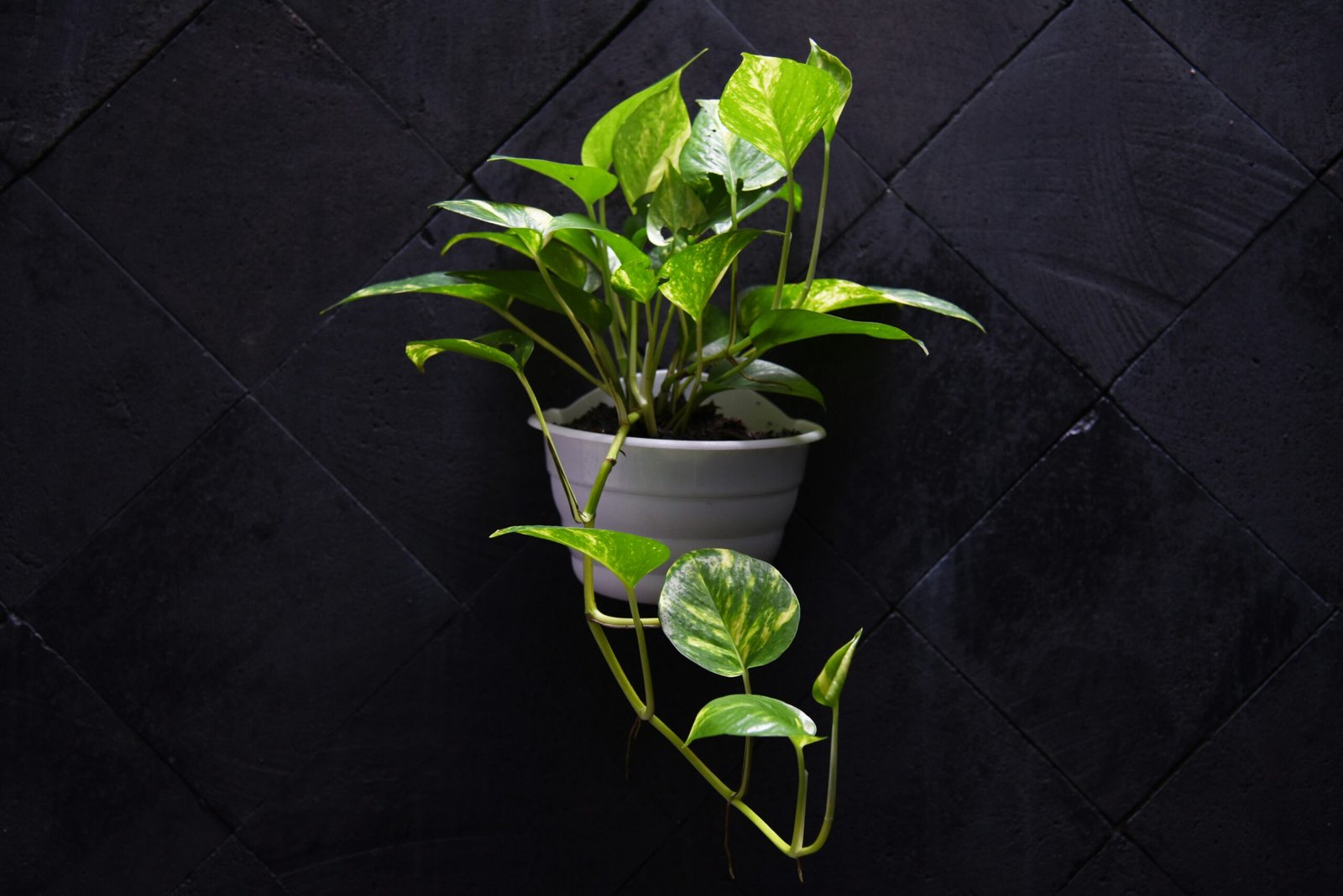
Suçculent have become a favorite among plant enthusiasts, and it’s easy to see why. Their unique shapes, vibrant colors, and low-maintenance needs make them perfect for both seasoned gardeners and beginners alike. However, even these resilient plants can suffer if not cared for properly. Many succulent owners unknowingly make common mistakes that could hinder their growth and beauty.
Whether you’re just starting your succulent journey or looking to enhance your existing collection, understanding the essentials of succulent care is crucial. From lighting conditions to watering schedules, each factor plays a vital role in helping these hardy plants thrive. Let’s dive into some key aspects you should keep in mind as you cultivate your own slice of greenery!
Overview of Succulent Care
Suçculent are fascinating plants that store water in their leaves, stems, or roots. This unique trait allows them to survive in arid environments. Caring for succulents might seem straightforward, but there’s more to it than simply placing them on a windowsill and forgetting about them.
Understanding the specific needs of your succulent is essential. Each variety has different preferences regarding sunlight, soil type, and watering frequency. For example, some thrive in bright direct light while others prefer softer indirect rays. Knowing these nuances can make all the difference.
Watering is another critical aspect of succulent care. Overwatering is one of the most common mistakes made by new plant owners. Suçculent prefer dry conditions between waterings; allowing the soil to dry out helps prevent root rot.
Additionally, choosing well-draining soil designed specifically for cacti and Suçculent can support healthy growth. Ensure your pots have drainage holes too! With just a bit of attention and knowledge about these hardy plants’ needs, you’ll be on your way to cultivating a thriving succulent collection that flourishes beautifully.
Importance of Proper Lighting and Watering
Proper lighting is crucial for the health of your succulents. These plants thrive in bright, indirect sunlight. A south-facing window often provides the best conditions. However, be cautious of too much direct light, which can scorch their leaves. Monitor your plants closely and adjust their position as needed.
Watering is another essential aspect of succulent care. Overwatering is a common mistake that can lead to root rot—a deadly issue for these resilient plants. It’s vital to allow the soil to dry out completely between waterings; this mimics their natural desert habitat. When you water, soak the soil thoroughly and let excess moisture drain away.
Humidity levels also play a role in how often you should water your succulents. In drier climates or during warmer months, they may require more frequent watering compared to cooler seasons or high-humidity environments. Always keep an eye on the texture of your succulent leaves; plump leaves indicate they are well-hydrated.
Using a well-draining potting mix helps maintain healthy moisture levels while providing proper aeration for roots. With attention to both lighting and watering needs, your Suçculent will flourish beautifully.
Choosing the Right Succulent for Your Space
Choosing the right succulent for your space can enhance both your décor and well-being. Start by considering the light levels in your home or office. Some Suçculent thrive under bright, direct sunlight, while others prefer lower light conditions. Assessing these factors early on will help you select plants that will flourish.
Think about the size of your area as well. If you have limited space, smaller varieties like Echeveria or Haworthia may be ideal. For larger areas, consider statement pieces such as Aloe Vera or jade plants. Their impressive growth can become focal points in any room.
Also, take into account how much time you’re willing to invest in care. Low-maintenance options like Sedum are perfect for busy lifestyles since they require less frequent watering and attention.
Don’t forget aesthetics! Succulents come in various shapes and colors; choose ones that resonate with your personal style or match existing décor elements to create a cohesive look throughout your space.
Tools and Materials for Succulent Care
Caring for succulents requires some essential tools and materials to ensure they thrive. First on the list is a well-draining potting mix specifically designed for Suçculent. This type of soil helps prevent root rot by allowing excess water to escape easily.
Another must-have is pots with drainage holes. They allow water to flow out, which keeps your plants healthy and reduces the risk of overwatering. Look for terracotta or ceramic options that not only serve their practical purpose but also add aesthetic appeal.
A watering can with a narrow spout is handy too. It provides precision when watering, ensuring you deliver just the right amount without soaking the leaves, which could lead to fungal issues.
Invest in some basic gardening tools like trowels and pruning shears. These will help you repot your Suçculent or trim them back as needed. Having these tools at your disposal makes succulent care much easier and more enjoyable!
Identifying and Treating Common Pests and Diseases
Pests and diseases can be a real threat to your succulent collection. Recognizing the signs early is crucial for effective treatment. Common pests include mealybugs, aphids, and spider mites. Look for white cottony masses, sticky residue, or tiny webs that may signal an infestation.
Once you’ve identified the problem, act quickly. For minor infestations, you can often treat Suçculent with insecticidal soap or neem oil. These solutions are gentle yet effective against many common pests without harming your plants.
Diseases such as root rot often stem from overwatering or poor drainage. Check the soil and roots if your succulent appears wilted despite adequate watering. If you spot blackened roots or mushiness, it’s time to trim away affected parts and repot in a fresh soil mix.
Keeping a close eye on your plants will help maintain their health in the long term. Regularly inspect leaves for discoloration or spots that could indicate disease onset. Early detection allows you to safeguard these resilient beauties while keeping them thriving in your home environment.
Creative Display Tips for Suçculent
When it comes to showcasing your succulent collection, creativity is key. These plants are not just easy to care for; they can also enhance the aesthetic of your home or office. One popular method is using terrariums. These glass containers allow you to create mini ecosystems that highlight different shapes and colors of succulents.
Another idea is to use unique pots—think vintage teacups, repurposed tin cans, or even wooden crates. The right container can elevate the look of any space while providing adequate drainage for your plants.
Hanging arrangements are also gaining popularity. You can create a living wall with various types of succulents in hanging planters or wall-mounted frames. This not only saves space but adds depth and visual interest to any room.
Consider grouping smaller Suçculent on a decorative tray or shelf for a clean yet stylish display. Incorporating stones, sand, or moss as accents will give an earthy feel and enhance the overall presentation.
Lighting plays an essential role, too; placing them near windows where they receive indirect sunlight helps them thrive while making them a focal point in your decor.
Experimentation is part of the fun! Mix textures and heights for added drama in your displays. With so many creative options available, you’ll find endless ways to enjoy these delightful plants throughout your home.