
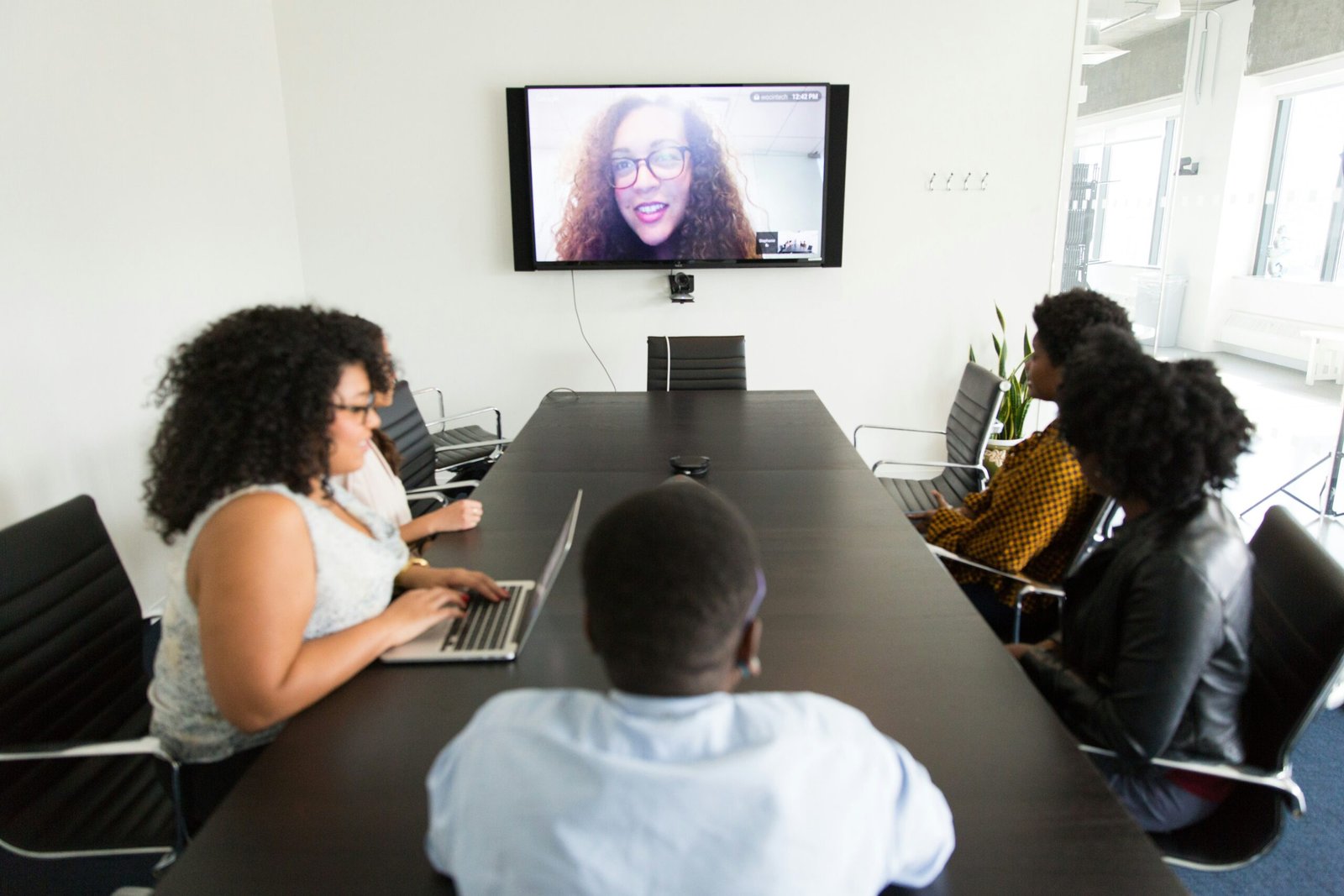
In today’s fast-paced digital world, video conferencing has become a staple for communication. Whether you’re working from home, attending online classes, or connecting with loved ones across distances, the importance of effective virtual meetings can’t be overstated. It’s not just about being present on screen; it’s about making an impact. With that in mind, mastering some essential video conference tips can elevate your virtual interactions to new heights. Let’s dive into practical advice that will help you shine during your next online gathering!
10 Video Conference Tips You Need to Know
Navigating the world of video conferencing can be tricky, but a few simple tips can make all the difference. Start by muting yourself when you’re not speaking to minimize background noise and distractions. Being punctual is crucial; it shows respect for everyone’s time.
Next, ensure your technology is up to par. Test your camera, microphone, and internet connection beforehand. Don’t forget to engage remote participants using interactive tools that keep them involved throughout the meeting!
Video Conferencing Etiquette
Video conferencing etiquette is crucial for maintaining professionalism. Always mute yourself when not speaking to minimize background noise. Being punctual shows respect for everyone’s time.
Ensure your technology works before the meeting starts, and familiarize yourself with the chosen software. Dress appropriately, as you would in a physical office setting, to create a professional atmosphere that encourages engagement and focus among participants.
Mute yourself when not speaking
Keeping your microphone muted when you’re not speaking is a simple yet effective way to minimize background noise. Whether it’s pets barking, children playing, or the hum of appliances, these sounds can be distracting for everyone involved.
Muting yourself also shows respect to others in the meeting. It allows participants to focus on the speaker without unnecessary interruptions. Remember, clarity is key in virtual communication, and muting plays an essential role in achieving that.
Be on time
Punctuality in video conferences sets a professional tone. Arriving on time shows respect for others’ schedules and allows the meeting to start smoothly. It creates an atmosphere of accountability and readiness.
Being late can disrupt the agenda and lead to misunderstandings. If you’re running behind, send a quick message to inform participants. This simple act demonstrates consideration and keeps everyone aligned, ensuring that discussions remain productive from the very beginning.
Ensure your technology works correctly
Before any video conference, take a moment to test your technology. Check your internet connection, camera, microphone, and speakers. A stable setup will prevent interruptions during the meeting.
Run a quick trial run with a friend or colleague if possible. This practice can highlight issues you might overlook when rushing into the call. Being technically prepared shows professionalism and respect for everyone’s time in the meeting.
Use technology to fully engage remote participants
Engaging remote participants requires leveraging technology effectively. Utilize interactive tools like polls, breakout rooms, and chat features to create a dynamic environment. These elements encourage participation and keep attention levels high.
Consider using visual aids such as slides or videos that can enhance understanding. Screen sharing allows everyone to see the same content in real-time. This not only fosters collaboration but also helps maintain focus throughout the meeting.
Choose the proper software and hardware
Choosing the right software and hardware is crucial for seamless video conferences. Research options that cater to your team’s needs, whether it’s Zoom, Microsoft Teams, or another platform. Each has unique features that can enhance your meetings.
For hardware, invest in a good webcam and microphone to ensure clear audio and visuals. Poor-quality equipment can distract participants and lead to miscommunication. Prioritize tools that promote engagement and collaboration among all attendees.
Wear work-appropriate clothing
Dressing appropriately for a video conference is crucial. Even if you’re working from home, your attire reflects professionalism and respect for the meeting.
Choose clothing that aligns with your company culture. Avoid pajamas or overly casual outfits. Opt for smart attire that makes you feel confident and ready to engage in meaningful discussions. This small effort can significantly impact how others perceive you during the call.
Frame the camera correctly
Positioning your camera correctly is key to a professional appearance. Ideally, the lens should be at eye level. This creates a more natural and engaging interaction with others on the call.
Make sure you’re centered in the frame, allowing your facial expressions to shine through. Avoid too much headroom or cutting off parts of your face. A well-framed shot helps build rapport and keeps everyone focused on you during discussions.
Set up your space with optimal lighting
Good lighting can make a world of difference in video conferencing. Avoid harsh overhead lights and opt for natural light whenever possible. Position yourself facing the window, so your face is well-lit.
If natural light isn’t an option, invest in soft LED lights or ring lights. These create even lighting that reduces shadows on your face. Proper lighting enhances visibility and helps maintain professionalism during your meetings.
Look into the camera
Looking into the camera creates a sense of connection. It mimics eye contact, which is crucial for engaging with your audience. When you glance at the screen instead, it can feel distant and uninviting.
This simple adjustment makes a big difference in how you’re perceived. It shows confidence and interest in what others are saying, fostering better communication during your video conference. Making this small effort can enhance interactions significantly.
Pay attention
Paying attention in a video conference is crucial. It shows respect for the speaker and keeps you engaged with the conversation. Multi-tasking might be tempting, but it can lead to missing important information.
Use active listening techniques, like nodding or providing verbal affirmations. This encourages interaction and fosters a collaborative atmosphere. Staying present not only improves your understanding but also enhances group dynamics and productivity during discussions.
Tips for Effective Video Conferencing
Before your video meeting, ensure you have a clear agenda. This keeps discussions focused and productive. Share documents in advance so everyone comes prepared.
During the meeting, engage actively with participants. Encourage questions and interactions to foster collaboration. Use visual aids when necessary to enhance understanding and maintain interest throughout the session.
Before a meeting
Before your meeting, take time to prepare. Review the agenda and any materials you’ll discuss. This helps keep everyone on track and informed.
Check your technology ahead of time. Ensure your camera, microphone, and internet connection work smoothly. A little preparation can prevent technical glitches that disrupt the flow of conversation.
During a meeting
Stay engaged during the meeting by actively participating. Nod or use reactions to show you’re attentive. If you have questions, jot them down and wait for an appropriate time to ask.
Avoid multitasking; it can be tempting, but it distracts from the conversation. Keep your focus on speakers and shared materials, reinforcing a collaborative atmosphere. This creates a more productive experience for everyone involved and ensures that vital points are not missed.
Why Video Conferencing Skills Are Essential
Video conferencing skills are crucial in today’s remote work environment. They help facilitate effective communication, bridging the gap between team members regardless of location. Mastering these skills fosters collaboration and enhances productivity.
As businesses continue to embrace virtual meetings, being proficient in video conferencing can set you apart. It ensures that ideas flow smoothly and discussions remain engaging, ultimately leading to better outcomes for projects and relationships within teams.
Advanced Challenges in Video Conferences and Solutions
Video conferences can present unique challenges, such as technical glitches and connectivity issues. These interruptions can disrupt flow and frustrate participants.
To tackle these problems, ensure a reliable internet connection and conduct trial runs before important meetings. Additionally, having a backup plan—like using mobile data or an alternative platform—can help maintain productivity during unexpected hiccups. Emphasizing clear communication also aids in overcoming confusion that may arise from delays or audio issues.
Properly Concluding Your Video Conference
As your video conference wraps up, ensure to recap the key points discussed. This reinforces understanding and keeps everyone on the same page.
Encourage participants to ask any lingering questions before closing. Thank everyone for their time and contributions, fostering a positive atmosphere for future meetings. A strong finish leaves a lasting impression and sets the tone for upcoming collaborations.
Leveraging Technology to Enhance Video Conferences
Embracing technology can significantly improve your video conferencing experience. Tools like screen sharing, virtual backgrounds, and collaborative whiteboards keep participants engaged and focused on the agenda.
Integrating features such as live polls or chat functions invites real-time feedback. This interaction fosters a more dynamic discussion, making everyone feel included. The right tech can transform a standard meeting into an interactive session that enhances communication and collaboration among remote teams.
FAQs
Video conferencing has become a critical aspect of communication in both professional and personal settings. To help you navigate this landscape, we’ve compiled some frequently asked questions to clarify common concerns surrounding video conferences.
What’s the best way to prepare for a video conference?
Test your technology ahead of time, familiarize yourself with the software, and have any necessary documents ready.
How do I reduce background noise during a call?
Use headphones or a headset. Choose quiet spaces without distractions when possible.
Is it okay to eat during a video meeting?
Generally, it’s best to avoid eating while on camera as it can be distracting for others.
How should I handle technical difficulties during a call?
Stay calm. Communicate issues clearly and consider switching devices if needed.
Can I use virtual backgrounds effectively?
Yes! Just ensure the background is not too busy or distracting. Keep it professional and relevant.
By implementing these tips and addressing common queries, you’ll enhance your video conferencing skills significantly. Happy conferencing!