
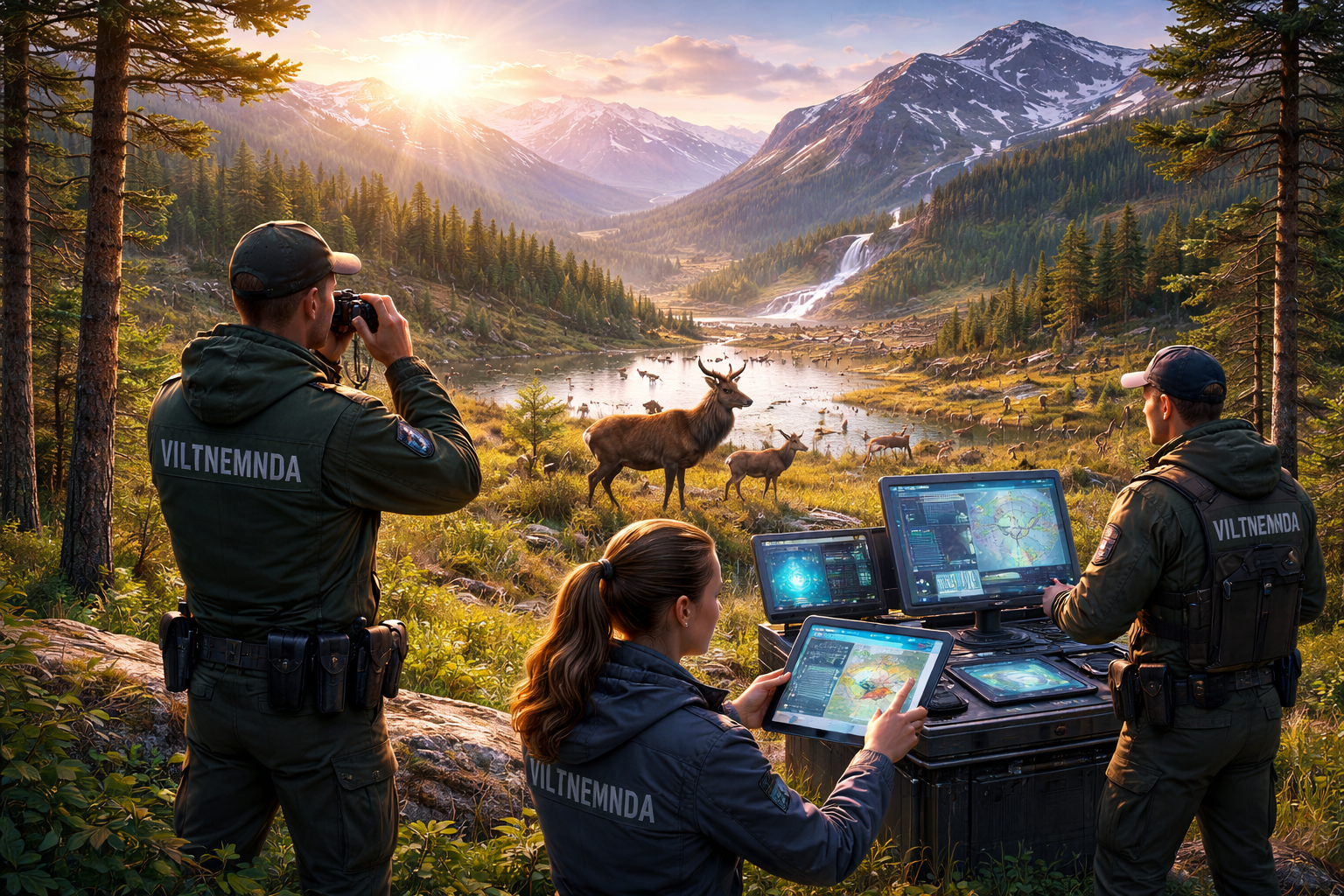
Norway is known worldwide for its strong conservation efforts and responsible wildlife management. Central to these efforts is the Viltnemnda authority, a municipal wildlife committee tasked with protecting Norway’s animal populations and regulating hunting practices.
The Viltnemnda serves as a bridge between national legislation and local realities, combining scientific research with community knowledge to manage wildlife sustainably and ethically.
What is Viltnemnda and Purpose
Viltnemnda, which translates to “wildlife committee” in English, is a locally appointed authority responsible for advising on wildlife management and hunting regulations. The committee ensures that wildlife populations remain healthy, balanced, and in alignment with Norway’s conservation goals.
Its primary purpose is to maintain ecological stability while balancing human activities like hunting and land use.
Importance of Norwegian Wildlife Management
Norway’s vast forests, mountains, and coastal regions host diverse wildlife. Without localized management, overhunting, habitat disruption, and human–wildlife conflicts could threaten biodiversity. The Viltnemnda authority provides oversight and guidance to prevent these challenges and maintain ecological harmony.
Legal Framework and Authority
National Wildlife Laws
The Viltnemnda authority operates under national legislation that regulates hunting, conservation, and species protection. These laws ensure sustainability, ethical treatment of wildlife, and the preservation of natural habitats.
Municipal Governance and Oversight
Each municipality in Norway is required to appoint a Viltnemnda. This local authority is responsible for implementing national regulations while adapting management strategies to local environmental conditions.
Structure and Membership of Viltnemnda
Committee Composition
Members of Viltnemnda are typically experienced hunters, environmental experts, forestry professionals, and agricultural representatives. Their combined expertise ensures well-rounded decisions that balance ecology, culture, and local needs.
Appointment and Accountability
Members are appointed by municipal councils. Transparency and public trust are central to their operations, and all decisions are documented and communicated to stakeholders.
Key Responsibilities of Viltnemnda
Monitoring Wildlife Populations
The committee tracks wildlife numbers, species health, and migration patterns to maintain balanced ecosystems.
Setting Hunting Quotas and Regulations
Viltnemnda provides recommendations for hunting seasons, limits, and species-specific quotas. This ensures sustainable hunting that does not threaten population levels.
Human–Wildlife Conflict Management
The committee addresses challenges such as crop damage, animal-vehicle collisions, and safety concerns, implementing solutions that protect both humans and wildlife.
Promoting Ethical and Sustainable Hunting
Hunting Guidelines and Standards
Viltnemnda ensures hunting practices follow ethical standards, minimizing animal suffering and respecting conservation principles.
Data Collection and Reporting
Hunters and local stakeholders provide observations and statistics that inform future management decisions, allowing Viltnemnda to adapt quotas and strategies as needed.
Collaboration With National Agencies
Working With the Norwegian Environment Agency
Viltnemnda collaborates closely with national agencies to align local policies with nationwide conservation goals and regulatory frameworks.
Policy Alignment and Data Sharing
Information collected locally is integrated into national databases to monitor population trends, support research, and guide policy decisions.
FAQs
1. What is Viltnemnda?
A municipal wildlife management authority in Norway.
2. Does Viltnemnda make laws?
No, it provides guidance within national legislation.
3. What role does Viltnemnda play in hunting?
It advises on quotas, seasons, and sustainable hunting practices.
4. Who appoints Viltnemnda members?
Local municipal councils appoint them.
5. Why is Viltnemnda important?
It ensures sustainable wildlife management and prevents ecological imbalance.
6. Is Viltnemnda involved in conflict resolution?
Yes, it manages crop damage, public safety, and wildlife-related conflicts.
Conclusion
The Viltnemnda authority is vital to Norway’s wildlife management system. By combining local knowledge, scientific data, and national regulations, Viltnemnda ensures ethical hunting, sustainable populations, and minimal human–wildlife conflicts.
Through its guidance, Norway maintains a model of responsible wildlife stewardship that balances human needs with ecological preservation.